Biju Prabhakar IAS and His Legacy in Social Justice and Women & Child Development
Biju Prabhakar IAS is known for being a catalyst of change — a bureaucrat who blends intelligence, empathy, and action to bring meaningful transformation. During his tenure as Secretary of the Social Justice and Women & Child Development Department from September 2017 to September 2020, Kerala witnessed a wave of forward-thinking initiatives that redefined inclusion, gender empowerment, child welfare, and institutional reform. His leadership was marked by the courage to turn long-overdue promises into policies and by the conviction to launch innovative programs that left a lasting impact on society.
One of the most significant achievements during his tenure was the enforcement of long-ignored reservation policies for Persons with Disabilities in education. Biju Prabhakar initiated and navigated the political will to issue a historic order mandating 3% reservation for persons with disabilities from 1996 and 4% from 2016 in all government-aided schools and colleges in the state. This was more than an administrative breakthrough; it was a deeply humane decision that finally delivered long-awaited justice. As of February 2024, 1007 persons with disabilities had been appointed under this directive, with many more positions expected to be filled. This step not only opened doors for thousands but also reinforced the importance of inclusive education in building an equitable society.
Structural reform was another hallmark of his tenure. Recognizing the need for focused attention on issues concerning women and children, he oversaw the bifurcation of the Social Justice Department, leading to the creation of an independent Women & Child Development Department. This bold administrative move was a first for the state of Kerala, enabling the government to address the specific challenges faced by women and children with greater dedication and efficacy.
As the Mission Director of the National Nutrition Mission (Poshan Abhiyan), Biju Prabhakar launched the initiative across more than 33,000 Anganwadis. The mission aimed at improving the nutritional status, as well as the physical and mental well-being of women and children. His execution of this mission displayed his commitment to grassroots development, ensuring that policy reached the people it was designed to serve.
Under his guidance, the Anganwadi infrastructure also underwent a major transformation. Through the Smart Anganwadi scheme, early childhood care centers across the state were upgraded to modern, child-friendly environments with designated spaces for dining, play, learning, and rest. These were no longer mere daycare centers; they became vibrant spaces where children could thrive in safety and dignity.
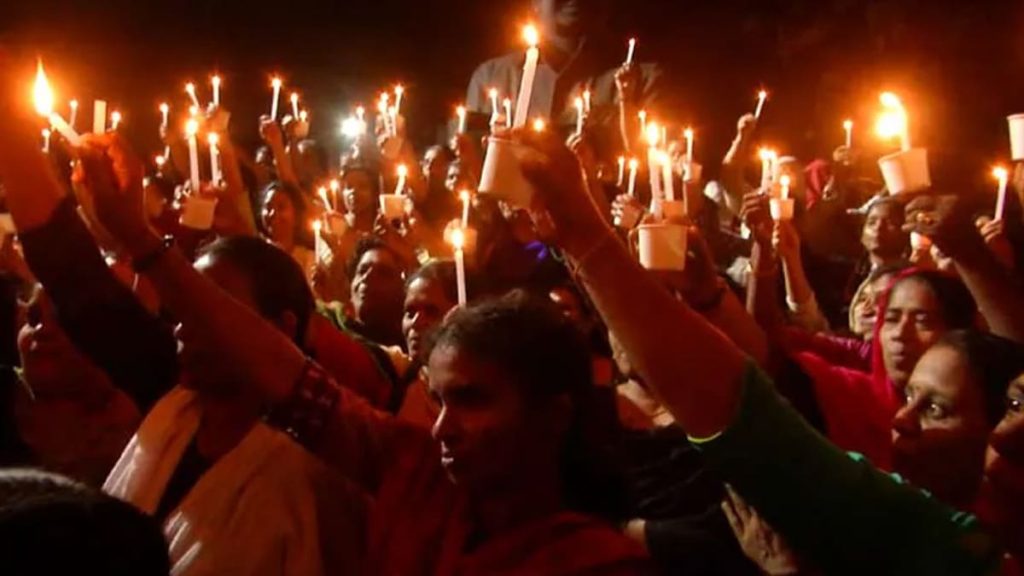
Biju Prabhakar also believed in challenging societal norms to create cultural shifts. One of the most inspiring examples of this was the “Night Walk” initiative. This bold program encouraged girls and women to walk fearlessly at night in various parts of the state, symbolically and practically reclaiming their right to public spaces. The initiative was not just a campaign but a statement, underlining that true empowerment begins with the freedom to exist without fear.
Another deeply compassionate initiative was Thejomaya, a program designed to rehabilitate survivors of sexual abuse through skill development and empowerment. Alongside this, he introduced Kaval Plus, a program that provided psychosocial care for children in need of protection and those who had survived abuse, ensuring comprehensive support as mandated by the Juvenile Justice Act of 2015. These programs emphasized healing, dignity, and the restoration of agency to the most vulnerable.
Justice for children was also expedited under his watch. He was instrumental in securing Central assistance to establish 56 special courts dedicated to POCSO cases in Kerala. This initiative drastically improved the speed and sensitivity of legal proceedings related to child sexual abuse, offering timely justice and reinforcing faith in the system.
Biju Prabhakar also brought a fresh perspective to institutional care. Drawing inspiration from global best practices, he established SOS homes for infants and toddlers, and upgraded existing facilities like old age homes, shelters for the disabled, and children’s homes. These were redesigned to feel more like nurturing homes than sterile institutions, with activities and spaces that fostered belonging and mental well-being.
His vision extended to the rehabilitation of mentally ill individuals who had been institutionalized for decades. With the help of NGOs, 11 such persons were reintegrated into society, offering them not just freedom but also dignity and care. His approach to justice also included progressive reforms in the penal system. By implementing the Probation scheme, he facilitated the release and rehabilitation of convicts involved in minor offenses, and introduced plea bargaining to avoid unnecessary incarceration.
In the academic and healthcare space, Biju Prabhakar initiated degree programs in Occupational Therapy at the National Institute of Speech and Hearing in Trivandrum and the National Institute of Physical Medicine and Rehabilitation in Thrissur. These courses, introduced for the first time in Kerala, addressed a growing need for trained professionals in fields that support individuals with physical, sensory, and cognitive challenges. Under his leadership, NIPMER was also elevated to the status of a Centre of Excellence in Physical Medicine, placing it on the national map as a hub for therapeutic innovation and care.
Through all these initiatives, Biju Prabhakar has demonstrated that good governance is not merely about policy or paperwork; it is about vision, empathy, and the relentless pursuit of justice. His legacy in the Social Justice and Women & Child Development Departments is a testament to what thoughtful, inclusive, and passionate leadership can achieve.
In every role he has held, and in every reform he has introduced, Biju Prabhakar has exemplified a rare combination of intellect and heart. Whether transforming Anganwadis, defending the rights of the disabled, empowering survivors, or modernizing institutions, he has continuously turned challenges into opportunities for progress. His tenure stands as a powerful reminder that true leadership lies not just in administration, but in advocacy and action.
Turning Tables. Capturing Moments. Leading Change. Biju Prabhakar IAS has redefined what it means to serve, showing that a single visionary can change countless lives when purpose meets power.
Secretary (Social Justice/ Women & Child Development Dept):
Sept 2017- Sept 2020
>>> Initiated, convinced political leadership and issued the historical order for enforcing the 3 % Reservation for Persons with Disabilities (PwD) with effect from 1996 and 4% reservation from 2016, in all government aided schools and Colleges of the State. 1007 persons with disabilities (as on Feb 2024) have so far been appointed in aided schools and vacancies are expected for several hundreds more.
>>> Women and Child development Department was created for the first time in the State through the bifurcation of the Social Justice for giving more focus to the welfare, health and safety of women and children of the State.
>>> National Nutrition Mission (Poshan Abhiyan) was rolled out as mission in the capacity as Mission Director in over 33000 Anganwadis with an objective to improve the nutri- tional status as well as physical and mental health of women and children.
>>> Organized ‘Night Walk’ a novel program to empower girls and women to walk alone during night in different parts of the state fearlessly.
>>> Smart Anganwadi scheme – Anganwadis were upgraded to state-of-art facilities with separate areas for physical activities, dining recreation, child friendly toilets etc through out the state.
>>> Thejomaya – a major initiative to rehabilitate through skilling and empowerment of sexual abuse victims and bring them to the main stream.
>>> Kaval Plus – an innovative program by the Department of Women and Child Development, for the children in need of care and protection as per Juvenile Justice Act (2015). Kaval plus caters psychosocial care for children in need of care and protection and survivors of child sexual abuse.
>>> Adoption and foster care were given an impetus with several measures taken to simplify the process.
>>> Was also the administrator of the Kerala State Child Welfare Council, trivandrum in the ex-officio capacity as District Collector, appointed by the Hon.High Court for more than 2 years.
>>> Special POCSO courts – Was instrumental in getting Central assistance for the estab- lishment of 56 special courts for POCSO victims, which has now speeded up the deliv- ery of justice to the abuse victims in the recent times.
>>> SOS homes for the tiny kids were started in the model of world-renowned SOS homes for the WCD department. Several children homes were remodeled and made child friendly. Similarly, the old homes, home for disabled, destitute etc were made refur- bished and inducted several activities to make the inmates feel at home.
>>> 11 mentally ill persons who were in condemned in Mental Health Centres for committing crimes for several decades were rehabilitated with the help of NGOs.
>>> Several convicts were released from jail or prevented many who committed minor offences to jail under the Probation scheme with the permission of Hon. Courts. Please bargaining was introduced.
>>> Started Degree course in Occupational Therapy in National Institute of Speech and Hearing (NISH), Trivandrum and National Institute of Physical Medicine and Research (NIPMER), Thrissur district – for the first time in Kerala. This is a much sought after course in the branch of science that helps people of all ages who have physical, sensory or cognitive problems.
>>> Scaled up the activities of (NIPMER) and elevated it to the status of a Centre of Excellence in Physical medicine.